
Industries
The platform is the same.
The problem never is.
A bakery and a machining shop both need every unit checked. What differs is the nature of the defect, the conditions the hardware has to survive, and who is asking for the evidence.
Three things differ between industries.
Everything else is shared.
01 · The defect
What counts as wrong
A bake that is two shades pale, a solder joint out of position, a scratch on a machined face. The defect decides how the model is trained and how much variation is acceptable before something is genuinely a fault.
02 · The environment
What the hardware must survive
Washdown and steam, coolant and swarf, dust, vibration, heat. This decides camera housings, mounting and lighting — and it is where most vision installations quietly degrade after the first few months.
03 · The evidence
Who asks to see the record
A scheme auditor, a customer quality team, a regulator, or nobody at all. This decides what gets logged, for how long, and in what form it has to be produced.
Where each industry
is hard.
If your line is in one of these, this is the shape of the problem we would expect to be solving.
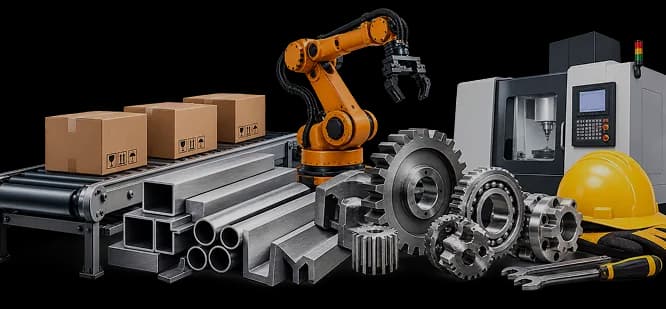
General manufacturing
Specific product, familiar problem — defects, dimensions, completeness
- Varies by process
- Customer specification
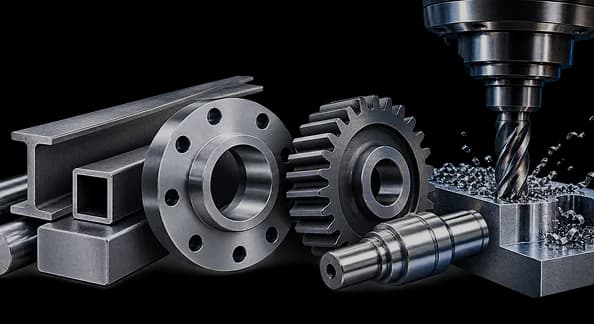
Metal & machining
Specular surfaces, where rule-based vision breaks down
- Coolant, swarf, heat, mixed part geometry
- Drawing tolerances and customer inspection reports
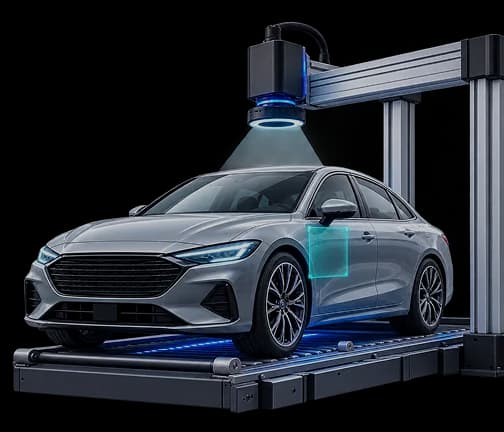
Automotive
Tight tolerances and surface finish on shaped parts
- Oil, swarf, vibration, press and weld lines
- Customer audits and part-level traceability
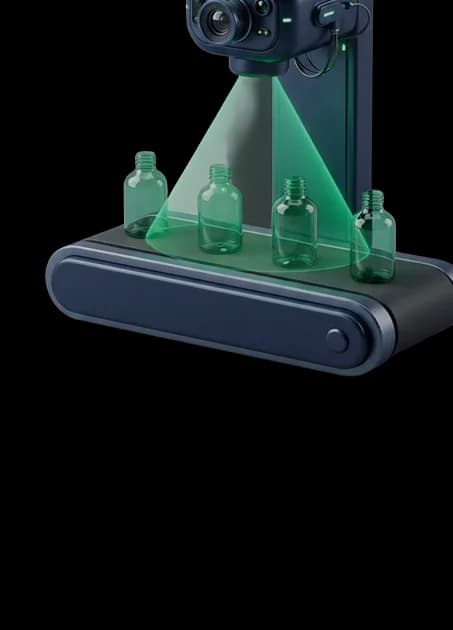
Consumer goods
High speed with frequent changeovers between variants
- Packaging lines, print and material variation
- Retailer audits, labelling and net-quantity law

Food & bakery
Product varies by nature — fixed tolerances reject good units
- Washdown, steam, oven heat, airborne flour
- BRCGS and IFS audits, labelling and net-quantity law

Pharmaceutical
Full inspection is mandated, not optional
- Controlled areas, validated equipment
- Regulators, GMP inspection, batch release
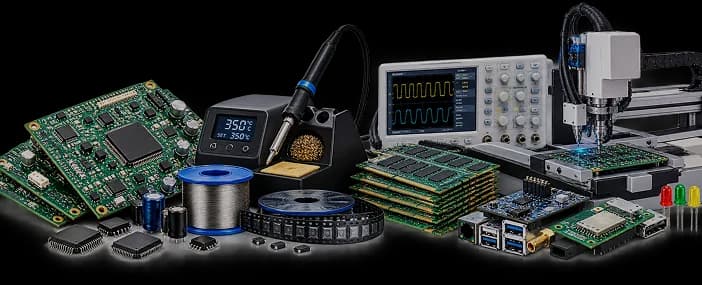
Electronics
Small features — resolution against field of view
- ESD control, fine placement, reflective solder
- Customer specification and build records
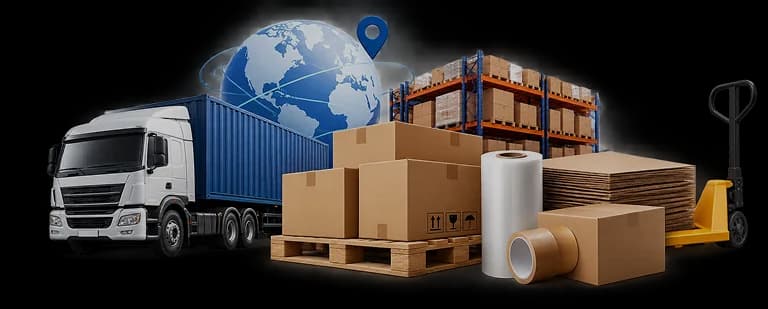
Logistics & packaging
Throughput and SKU variety on the same line
- Dust, mixed formats, high conveyor speed
- Retailer requirements and despatch traceability
Not listed here does not mean not possible. The platform is industry-agnostic — what an industry page adds is the environment, the defect types and the evidence requirements we already know to design for.
Pick your line.
Food & bakery
Where no two units are alike and fixed tolerances reject perfectly good product. Shape, bake colour, form and foreign body.
Food & bakery inspectionConsumer goods
Fast lines, printed packaging and tight changeovers. Label, code, fill and seal verification where a mistake becomes a return.
Consumer goods inspectionPharmaceutical
Regulated inspection with full traceability. Container, seal and label verification with a retained record for every unit.
Pharmaceutical inspectionAutomotive
Surface finish, assembly completeness and component presence, inspected to the tolerances your customer audits you against.
Automotive inspectionElectronics
Fine-detail inspection at speed. Component presence and placement, solder condition and print quality on small parts.
Electronics inspectionMetal & machining
Surface defects on reflective and machined parts, plus dimensional checks recorded as values rather than pass or fail.
Metal inspectionLogistics & packaging
Pack condition, label and barcode verification, case and tray counts at throughput, before goods leave the building.
Logistic inspectionGeneral manufacturing
Where the product is specific but the problem is familiar — defects, dimensions, completeness and correctness on your line.
Manufacturing inspection
The one question this page can't answer: does it work on your defect?
Start here
Send us your images
Share examples of the defect you care about. We train a model on your product and come back with a straight answer — including if it's no.
Start a feasibility checkOr ask directly
Talk to an engineer
Thirty minutes with someone who builds this. Bring your line speed, your defects and your integration constraints.
Get a demo